Knowledge systems & enterprise data
Ontologies, semantic graphs, metadata, reference data, master data, and governed information foundations.
Ideas & Intellectual Property
A representative view of patents, books, publications, and technical themes developed while building enterprise products and platforms.
Innovation philosophy
Protect enough to create room for differentiation. Share enough to advance the field.
Patents are one way to recognize and protect invention—but not the only one. Publications, open-source work, technical communities, and thoughtful abstraction all help ideas travel farther than a single product.
The portfolio spans multiple generations of enterprise technology, with recurring themes around trusted data, context-rich intelligence, and systems that improve through interaction and feedback.
Ontologies, semantic graphs, metadata, reference data, master data, and governed information foundations.
Machine learning, recommendation, classification, prediction, reasoning, and contextual decision support.
Weather, climate, geospatial context, agriculture, sustainability, and environmental risk.
Asset lifecycle, maintenance, operational workflows, IoT, reliability, and industrial decision support.
Fraud detection, investigation, access control, risk models, and trusted enterprise workflows.
Enterprise architecture, cloud platforms, orchestration, user interaction, and extensible AI services.
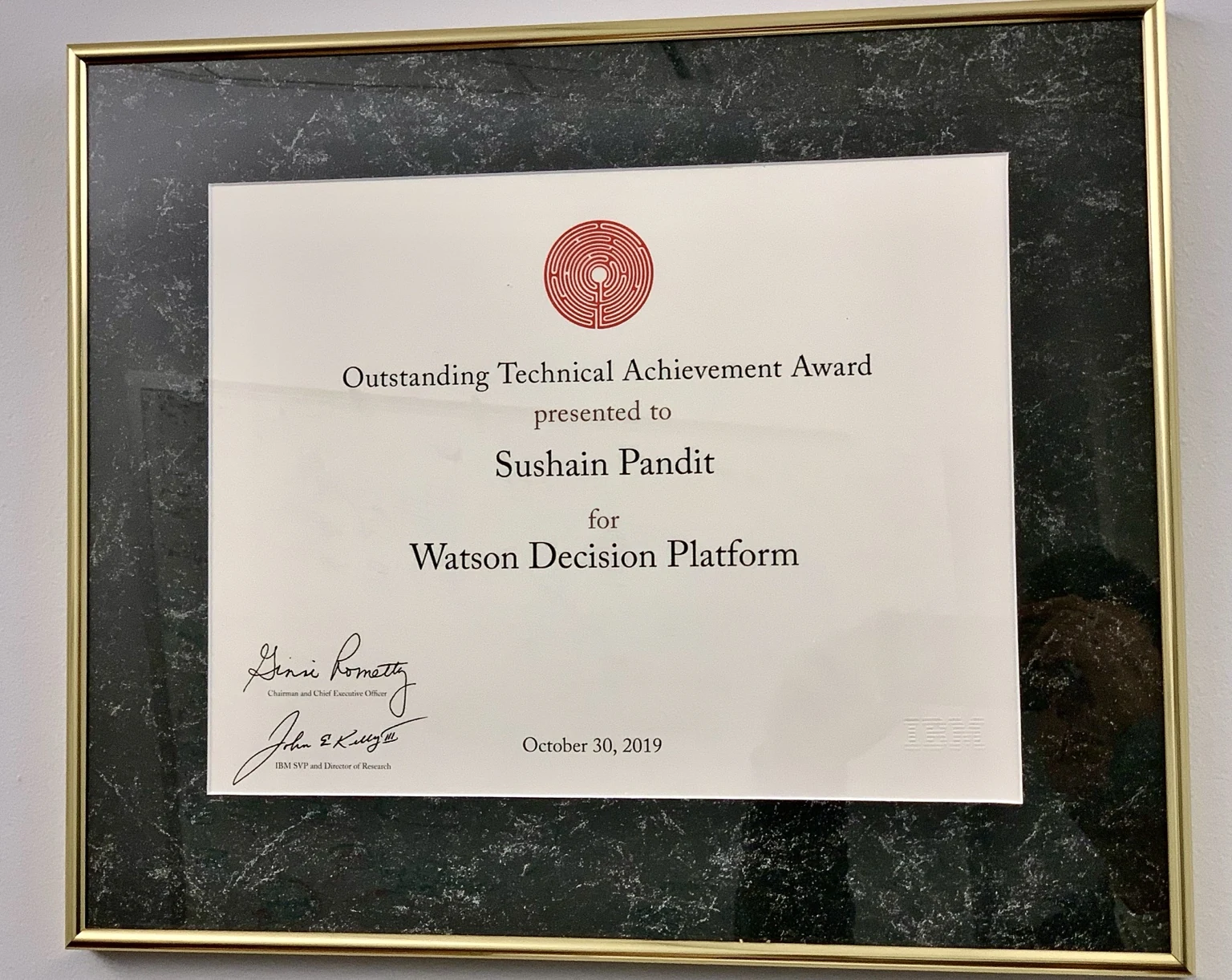
Patents, technical recognition, and published work make the progression from invention to product impact unusually concrete.
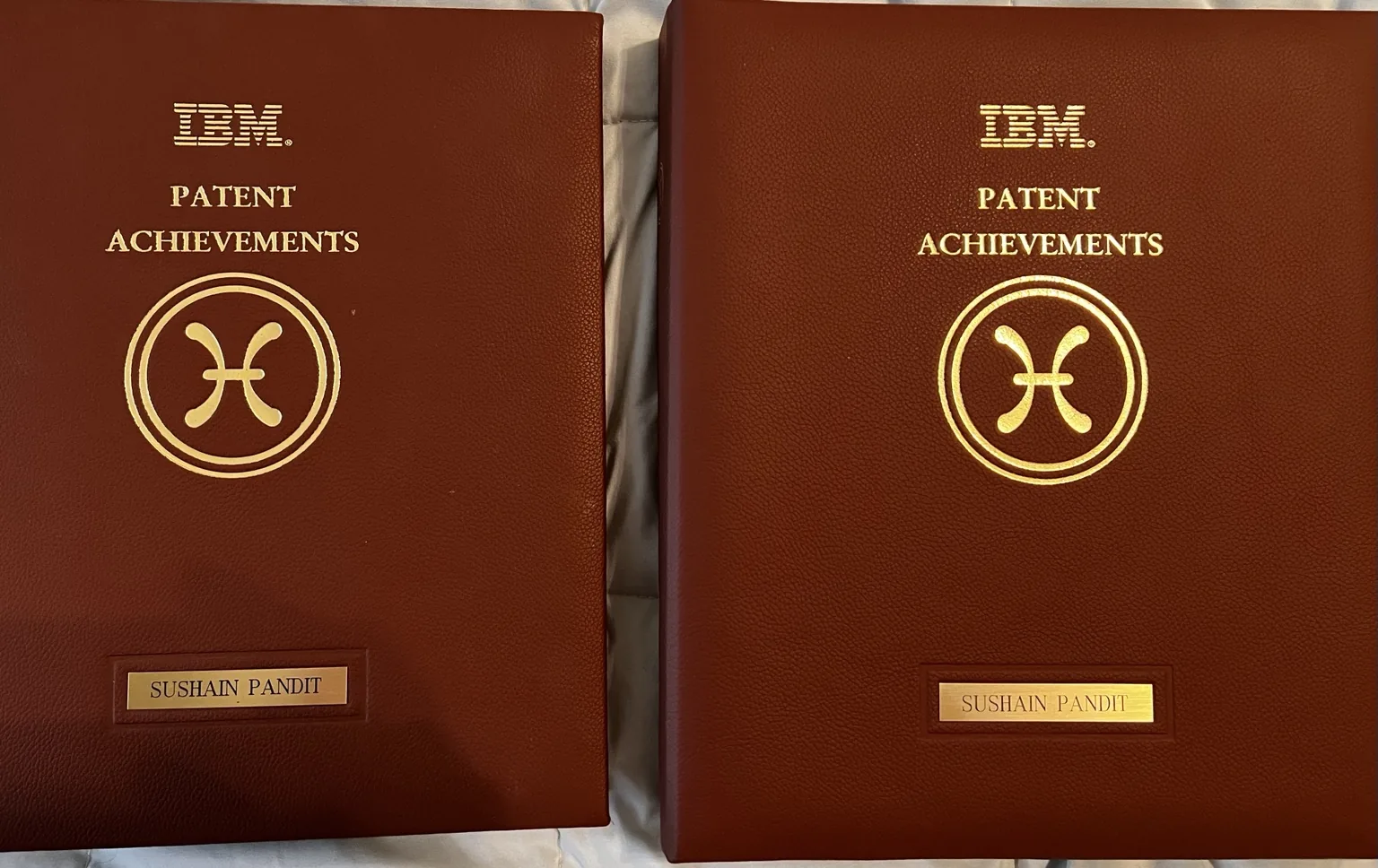
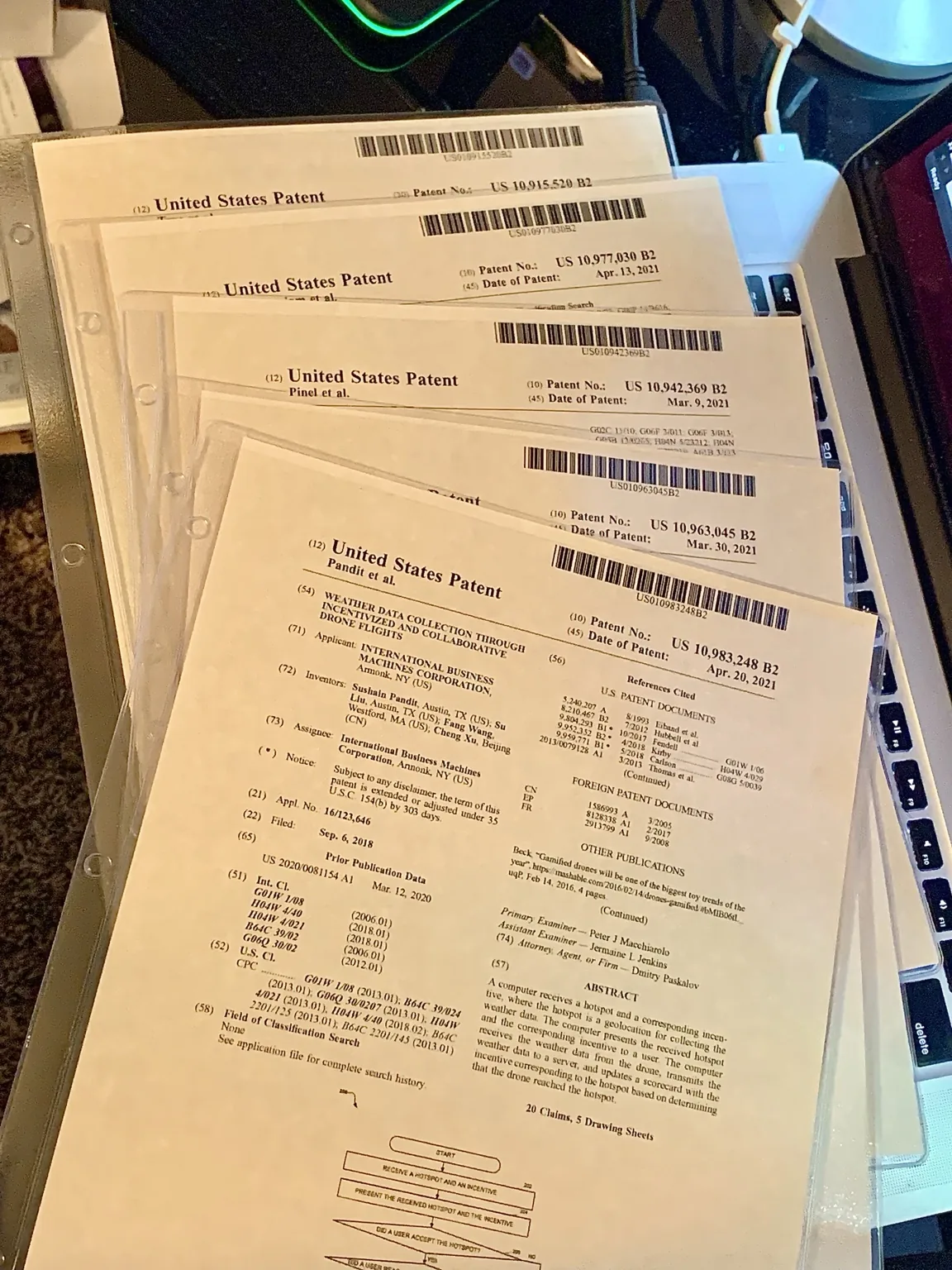
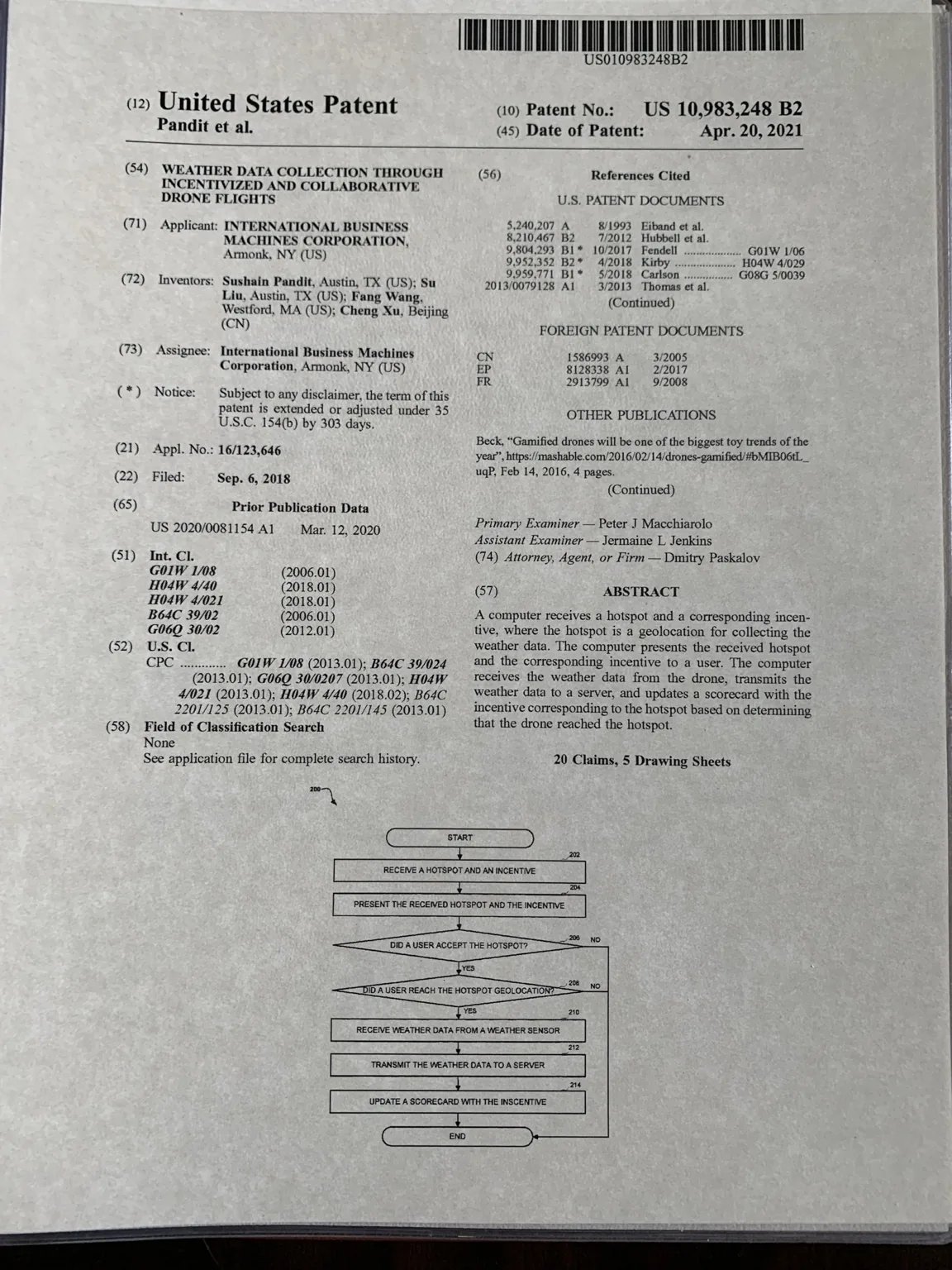
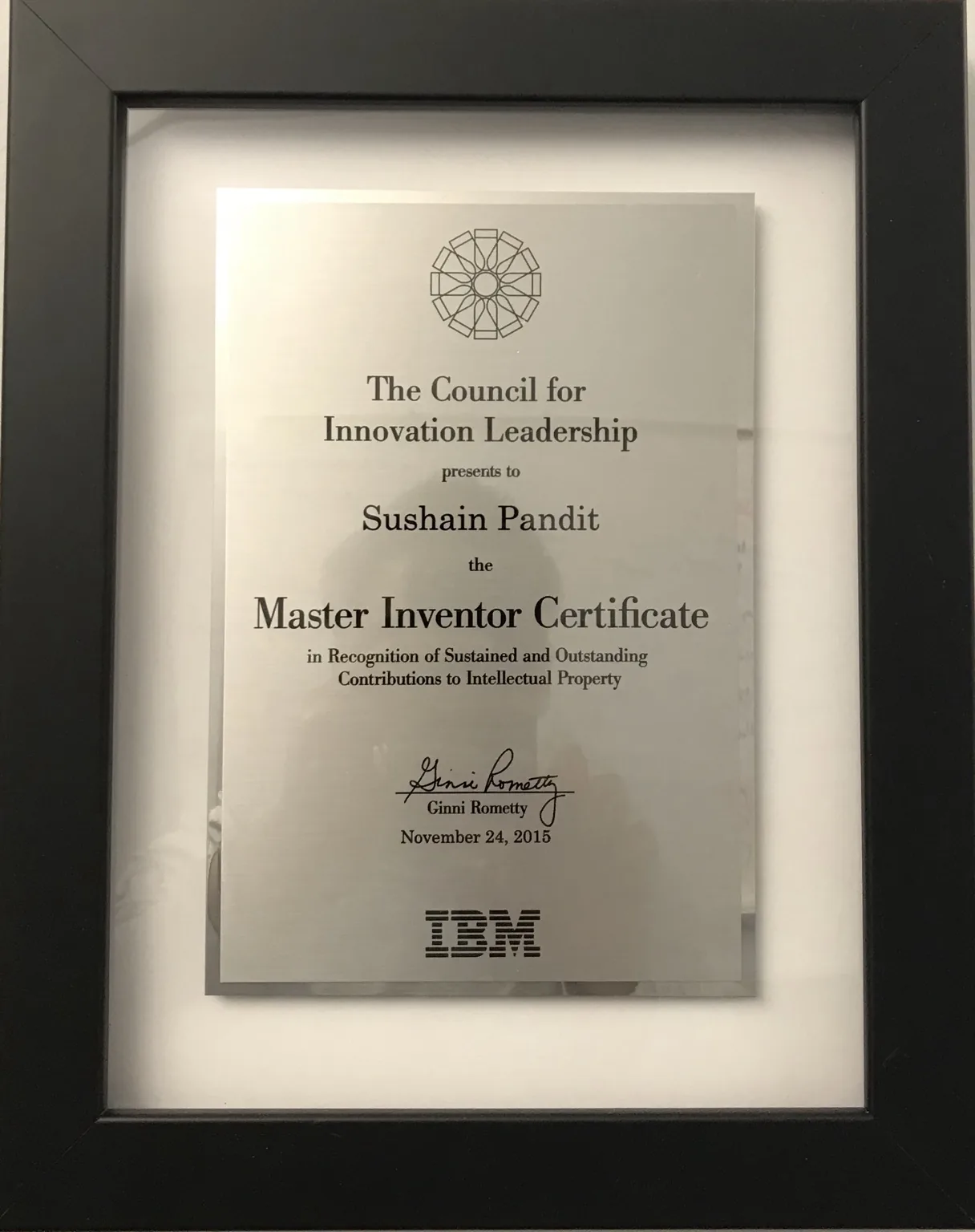
A small cross-section of the portfolio, chosen to show the evolution from semantic data foundations to machine-learning and enterprise architecture.
View the complete patent portfolio ↗Uses semantic refinement and feedback to improve enterprise-asset classification and create better training data for automated classifiers.
US8849828B2 ↗Models operational behavior and recommends configuration changes to improve the performance of complex information environments.
US20140201116A1 ↗Identifies likely reference-data tables inside ETL workflows so they can be governed and handled more intelligently.
US8583626B2 ↗Extends glossary coverage by identifying relevant reference-data values through relationships and relevance scoring.
US20140164399A1 ↗Applies semantic questions to architecture models to reveal relationships, gaps, and implications across complex systems.
US20130080461A1 ↗Uses goal-oriented models to compare security capabilities and identify architecture gaps.
US8819820B2 ↗Builds and improves relationships among information assets using feedback-reinforced search and navigation.
US8782039B2 ↗Uses ontology-based signals to identify reference data and support more consistent enterprise integration.
US8250101B2 ↗Representative work on reference data, information virtualization, semantic extraction, metadata, and enterprise integration.
View Google Scholar ↗A solution-oriented approach to stewardship, governance, quality, and architecture for enterprise reference data.
View publication ↗Pragmatic architecture patterns for making distributed information more accessible and reusable.
View publication ↗A modular approach to extracting structured, queryable relationships from natural-language text.
View paper ↗Metadata capabilities for improving governance, quality control, and delivery in complex integration programs.
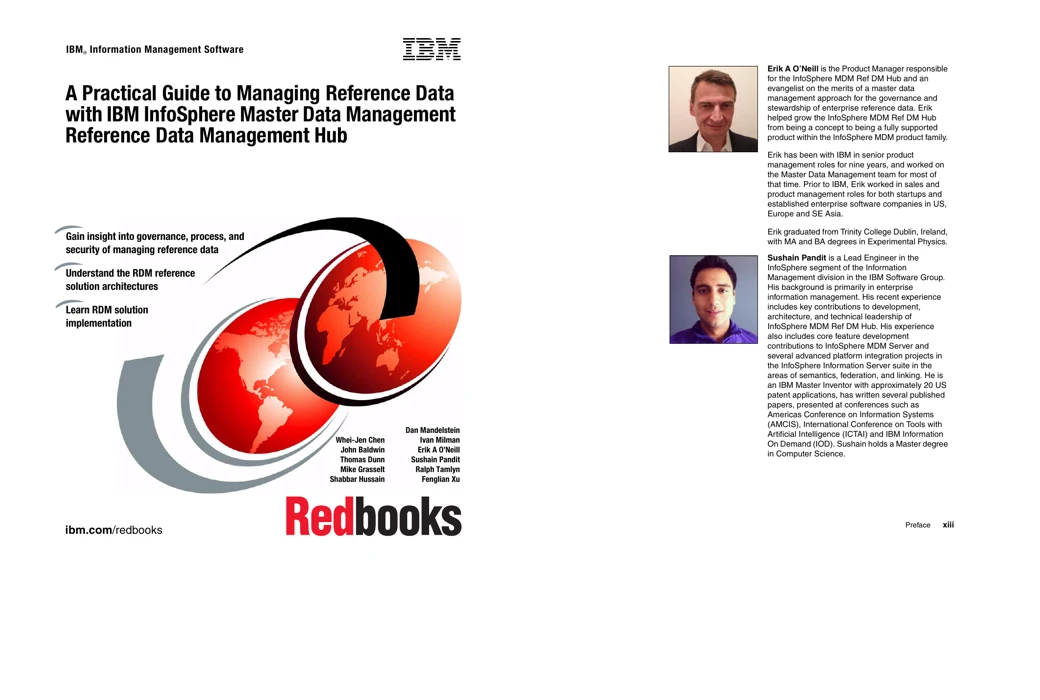
View paper ↗An implementation-oriented guide to planning, modeling, integrating, governing, and operating an enterprise reference-data hub.
View book ↗A semantic approach to detecting and aligning reference-data values across source and target systems.
View paper ↗From idea to impact